

## The Importance of Understanding Your Audience
In the digital age, knowing your audience is not just beneficial; it’s essential for crafting content that captures attention. Understanding your audience helps you create relevant content that addresses their needs, interests, and concerns. This connection fosters engagement, leading to higher retention rates and increased loyalty.
## Steps for Conducting Audience Analysis
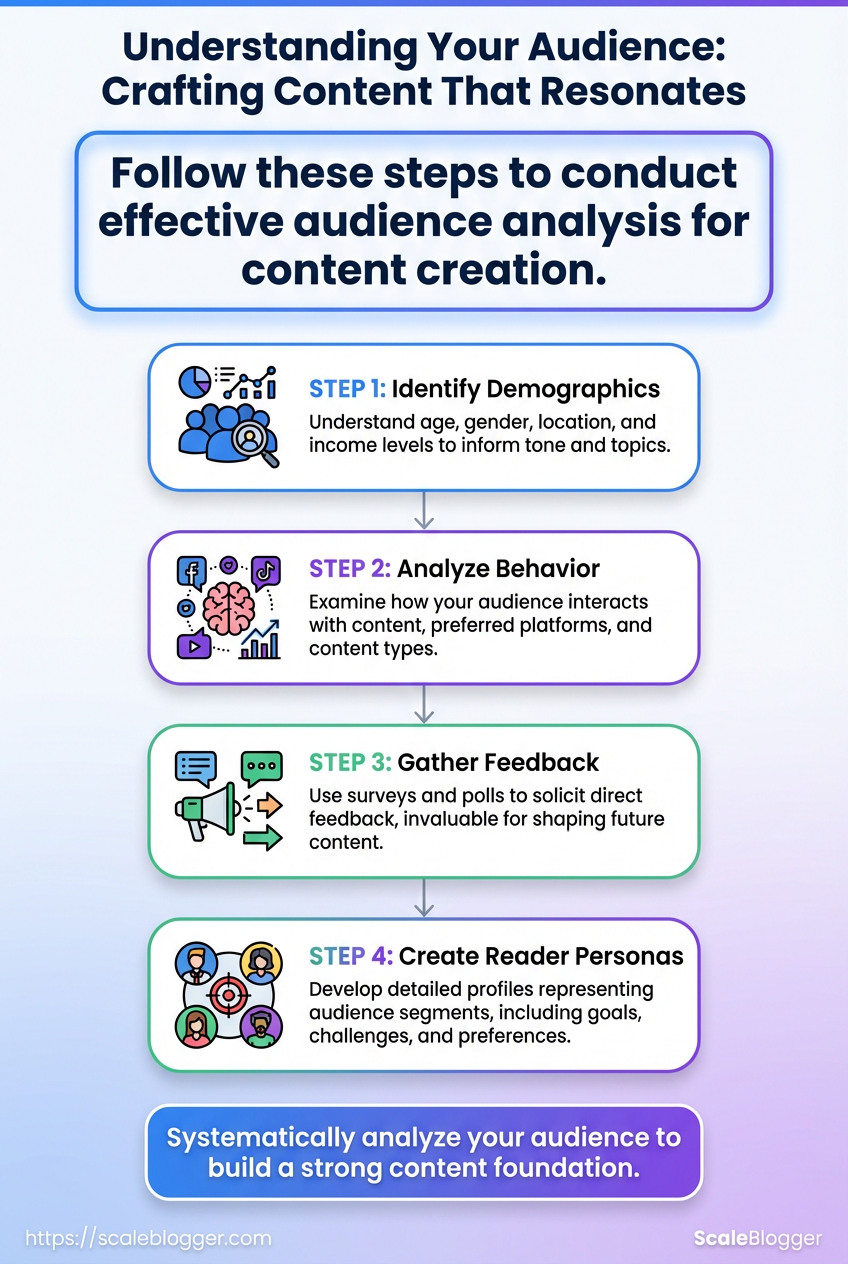
Effective audience analysis involves collecting and understanding data about your readers in an organized manner. Here’s a breakdown of the steps involved:
- Identify Demographics: Understand the age, gender, location, and income levels of your audience. This foundational data informs the tone and topics you should cover.
- Analyze Behavior: Look into how your audience interacts with your content. Identify which platforms they use and the types of content they prefer, whether articles, videos, or infographics.
- Gather Feedback: Use surveys and polls to solicit direct feedback from your audience. This firsthand information is invaluable in shaping future content.
- Create Reader Personas: Develop detailed profiles that represent segments of your audience. These personas should include their goals, challenges, and preferences.
## Crafting Content That Resonates
Once you’ve conducted a thorough audience analysis, the next step is crafting content that resonates. Consider the following strategies to enhance your content’s relevance:
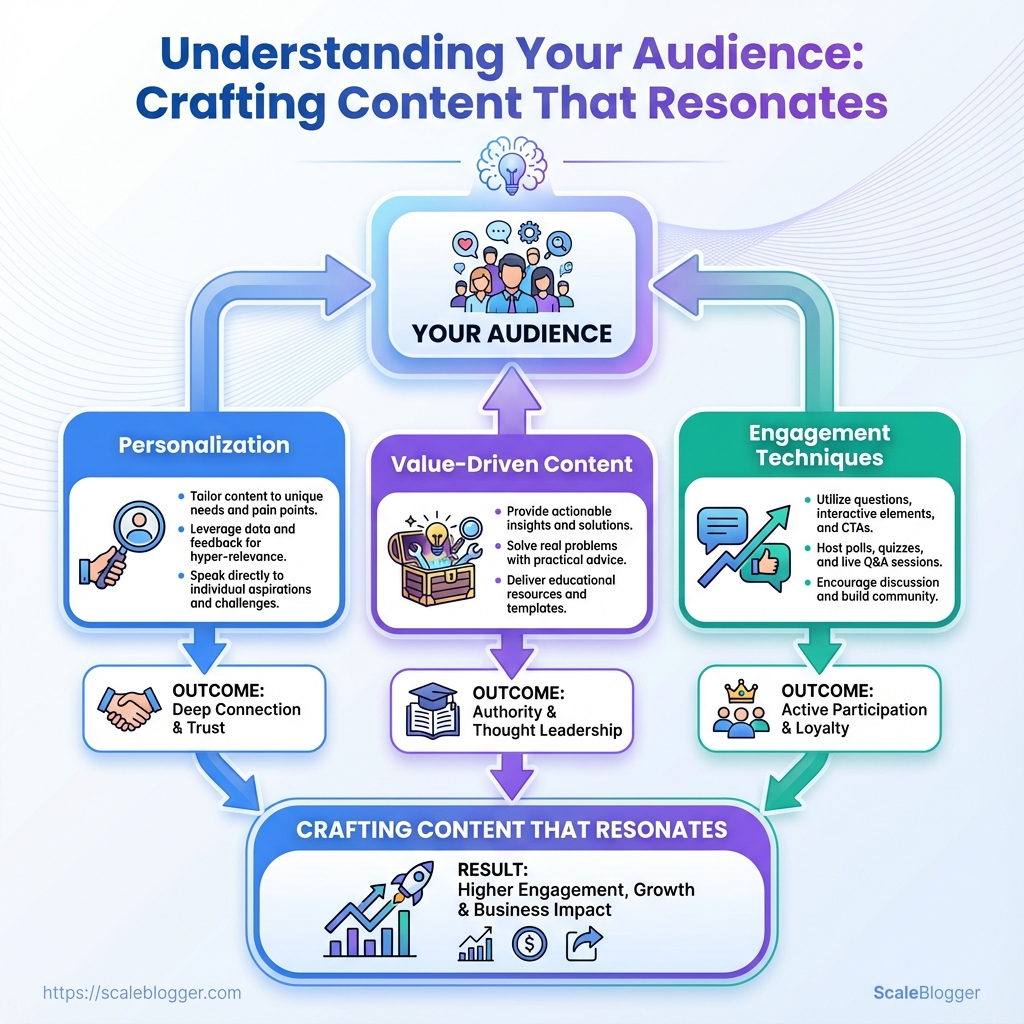
- Personalization: Customize your content to match the unique needs of your reader personas. This can involve using their names, referencing their interests, or addressing their specific pain points.
- Value-Driven Content: Focus on providing real value in your content. Whether it’s actionable insights, expert opinions, or solutions to common problems, ensuring your audience finds value will keep them coming back.
- Engagement Techniques: Use questions, interactive elements, and calls to action to spark interaction. Engaged readers are more likely to share content and provide feedback.
## Evaluating Content Effectiveness
Measuring the effectiveness of your content is crucial for continuous improvement. Here are key metrics to consider:
- Engagement Rates: Track likes, shares, comments, and time spent on page. High engagement rates often indicate that your content resonates well with your audience.
- Conversion Rates: Look at how many readers take actions you want, like signing up for newsletters or buying products. This data reflects content effectiveness in driving audience behavior.
- Feedback Mechanisms: Regularly solicit feedback through surveys or comments to gauge audience satisfaction and gather suggestions for improvement.
## Harnessing AI and Automation for Audience Insights
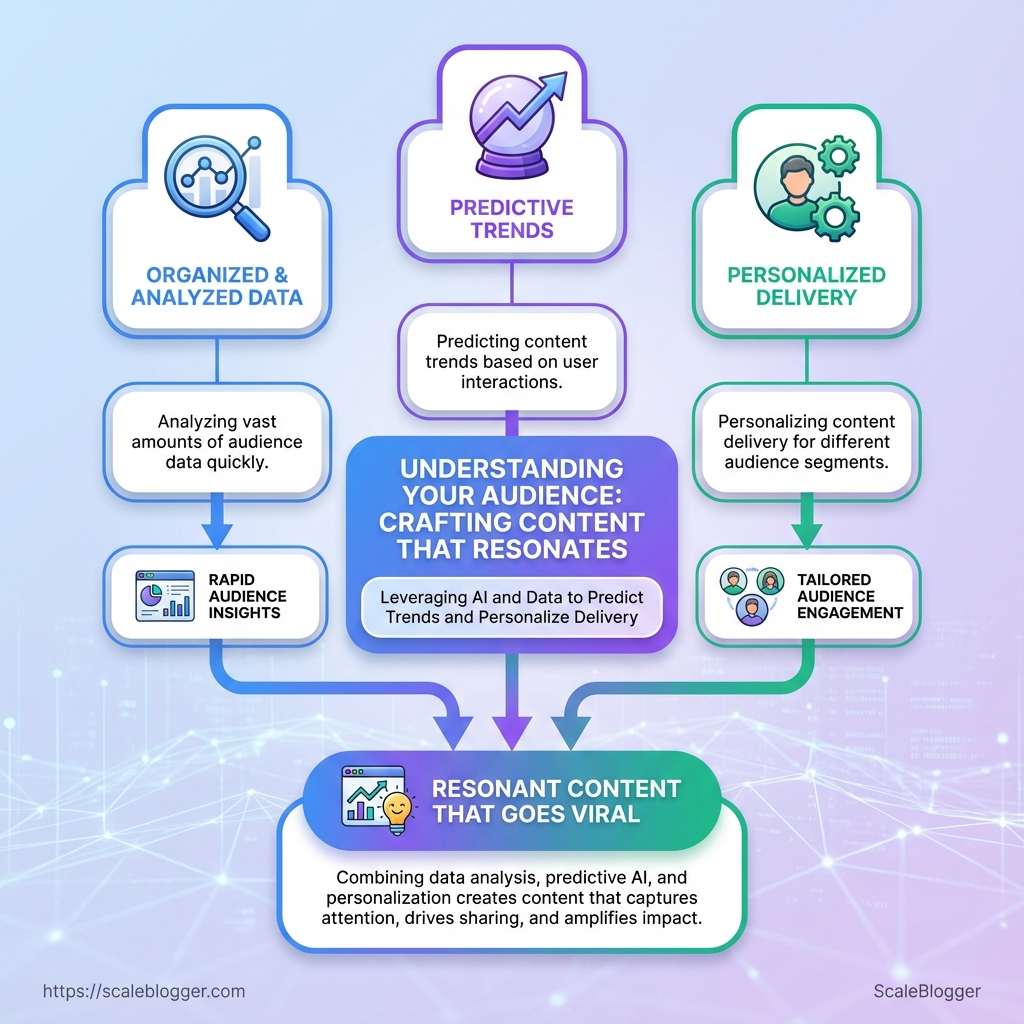
AI tools can greatly enhance how you analyze your audience and produce content. Platforms such as Scaleblogger offer automated solutions that analyze audience behavior and preferences, making it easier to craft targeted content strategies.
AI can help in:
- Analyzing vast amounts of audience data quickly.
- Predicting content trends based on user interactions.
- Personalizing content delivery for different segments of your audience.
Using these technologies helps content creators ensure their strategies are based on data and align with audience expectations.
## Conclusion
Effective audience analysis and relevant content creation are cornerstones of successful engagement. By focusing on reader personas, using AI tools, and regularly evaluating content effectiveness, creators can ensure their work connects deeply with their target audience. This strategic approach not only enhances visibility but also fosters a loyal readership.
