

Understanding the Importance of Visual Content
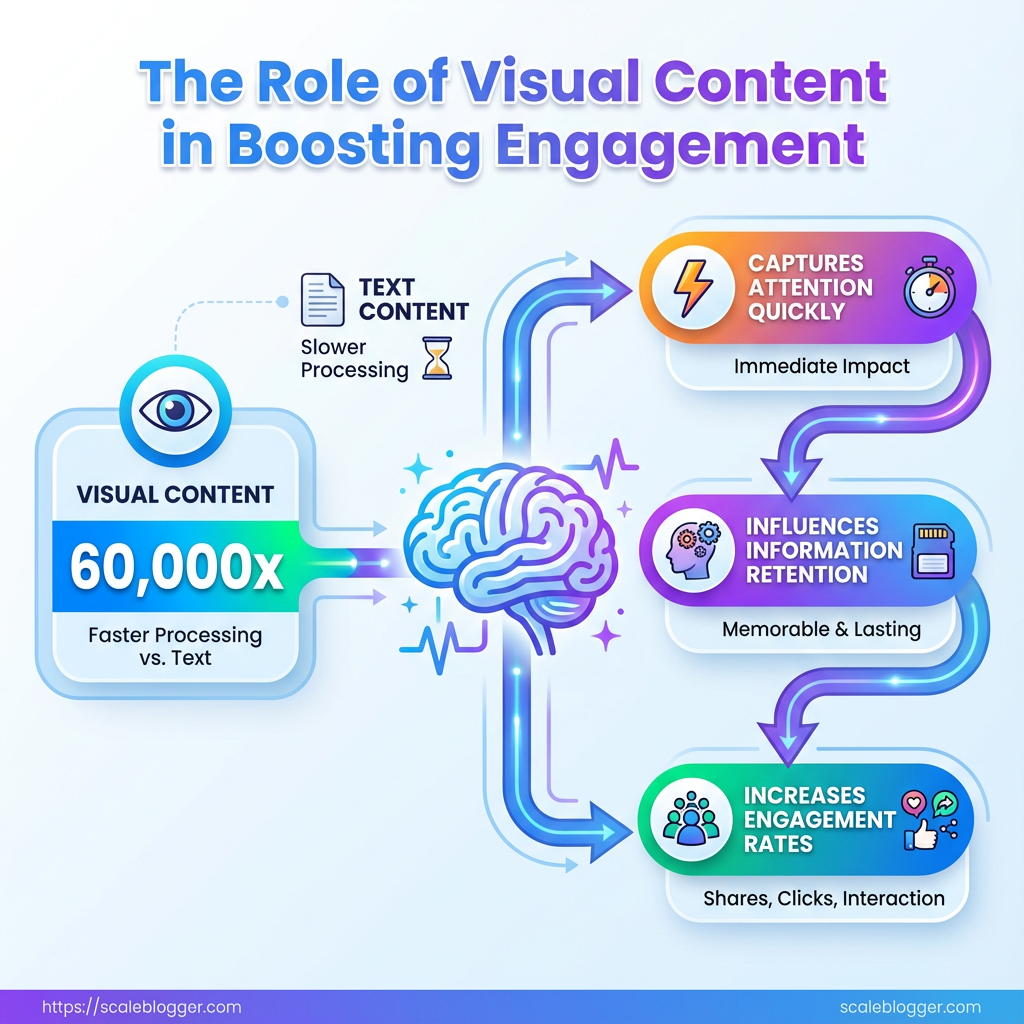
In today’s digital landscape, visual content has become a cornerstone of effective communication and engagement strategies. The human brain processes images 60,000 times faster than text, making visuals a compelling method to capture attention. This rapid processing can significantly influence how information is retained and understood, leading to increased engagement rates across various platforms.
Types of Visual Content
Various forms of visual content can be leveraged to enhance engagement. Each type serves different purposes and can be utilized in various contexts.
Infographics
Infographics are powerful tools for simplifying complex information and presenting data in an engaging format. They combine graphics with text to tell a story or convey a message effectively.
Images and Photographs
High-quality images can evoke emotions and enhance storytelling. Whether it’s a product photo or a candid shot, images play a crucial role in establishing a connection with the audience.
Videos
Video content is among the most engaging forms of visual media. It can capture attention quickly and convey messages in a dynamic manner, often leading to higher retention rates.
Memes and GIFs
Memes and GIFs are light-hearted, easily shareable, and resonate well with younger audiences. They can effectively convey humor or emotions, making them a great addition to engagement strategies.
Benefits of Using Visual Content
Incorporating visual content into engagement strategies offers numerous benefits that can drive better results for brands and marketers.
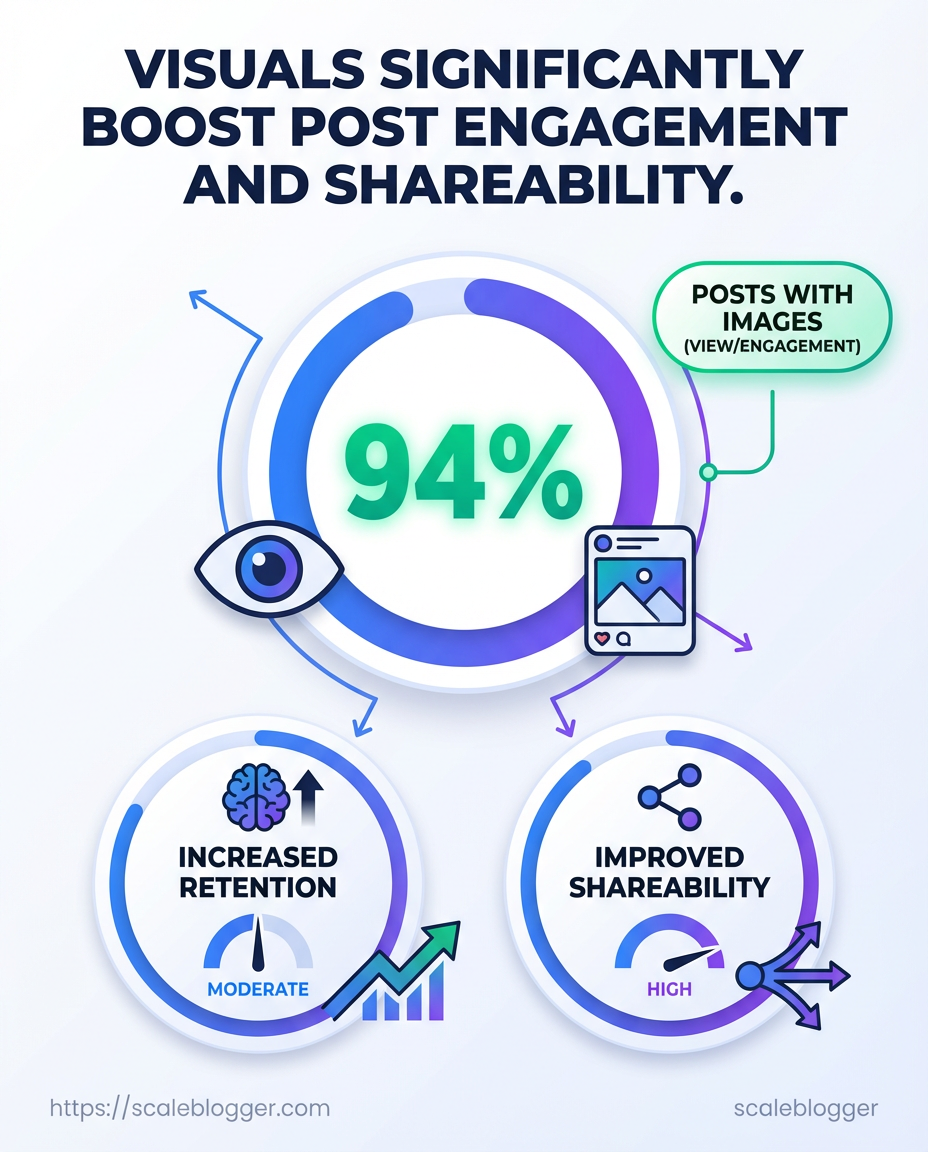
- Increased Retention: Visuals aid memory retention, making it easier for audiences to recall information.
- Enhanced Engagement: Posts with images receive 94% more views and engagement than text-only posts.
- Improved Shareability: Content that includes visuals is more likely to be shared across social media platforms.
Crafting Effective Blog Graphics
Creating impactful blog graphics involves more than just selecting attractive images. It requires a strategic approach to ensure they align with the overall message and branding.
- Consistency in Branding: Use a consistent color palette and typography that align with your brand identity.
- Clear Messaging: Ensure that the graphic communicates the intended message without ambiguity.
- Call to Action: Include a clear call to action to guide readers on their next steps.
Tools for Creating Visual Content
A variety of tools can aid in creating stunning visual content that enhances engagement. Some popular options include:
- Canva: An intuitive platform for designing graphics with templates and easy customization.
- Adobe Creative Suite: Professional-grade software for advanced design capabilities.
- Piktochart: Specifically tailored for creating infographics and presentations.
📥 Download: Visual Content Engagement Checklist (PDF)
Measuring the Impact of Visual Content
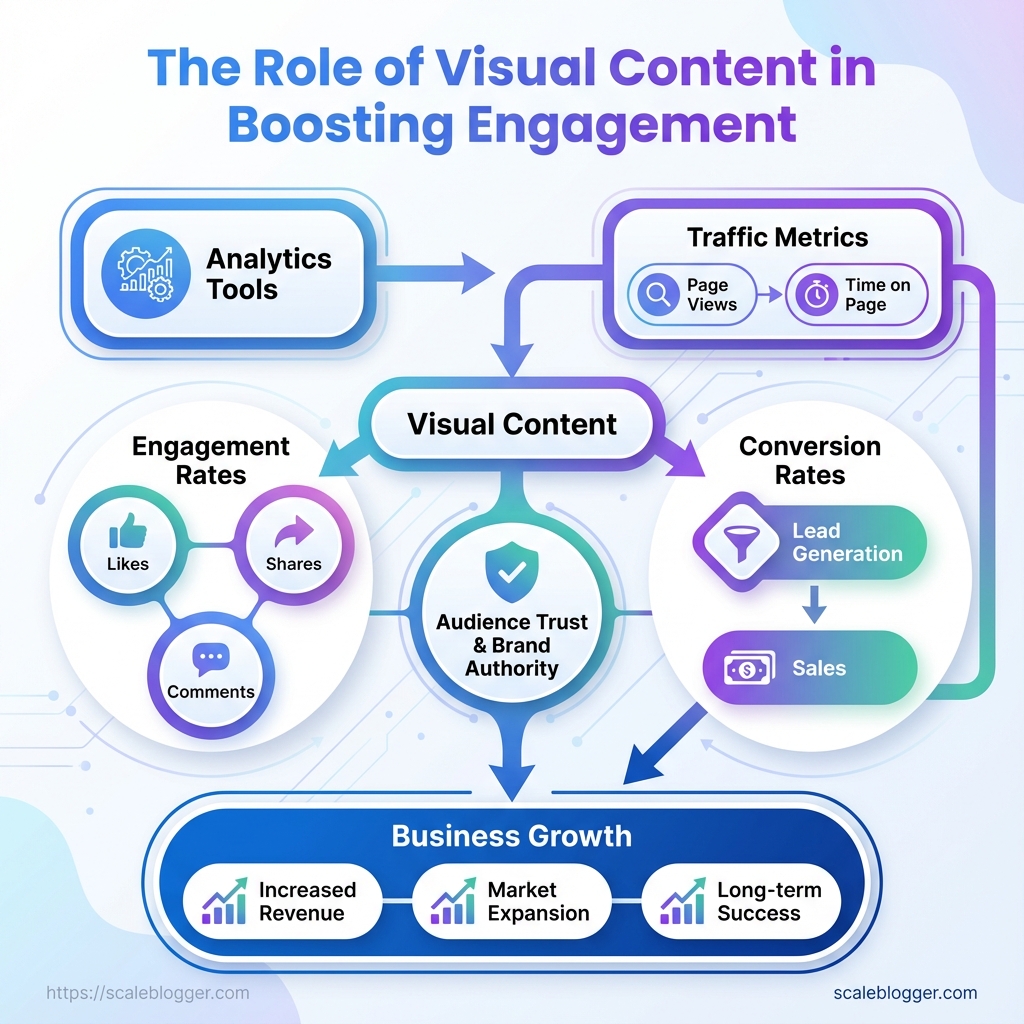
To truly understand the effectiveness of visual content in engagement strategies, it is essential to measure its impact. Key metrics to consider include:
- Engagement Rates: Track likes, shares, and comments to gauge interaction levels.
- Traffic Metrics: Use analytics tools to measure the increase in page views and time spent on the page.
- Conversion Rates: Monitor how visual content influences lead generation and conversion.
Best Practices for Visual Content
Implementing best practices ensures that visual content is not only attractive but also effective in driving engagement.
- Optimize for Mobile: Ensure visuals are responsive and look good on all devices.
- Use Alt Text: Improve accessibility and enhance SEO by describing visuals with alt text.
- A/B Testing: Experiment with different visuals to determine which resonates best with your audience.
Conclusion
Visual content is no longer optional in modern engagement strategies; it is essential for capturing attention and fostering connections with audiences. By understanding its importance, leveraging various types of visuals, and measuring their impact, brands can significantly enhance their engagement efforts. As the digital landscape continues to evolve, the role of visual content will only become more pronounced, making it vital for marketers to stay ahead of the curve.
